
 Courtney M. Wolf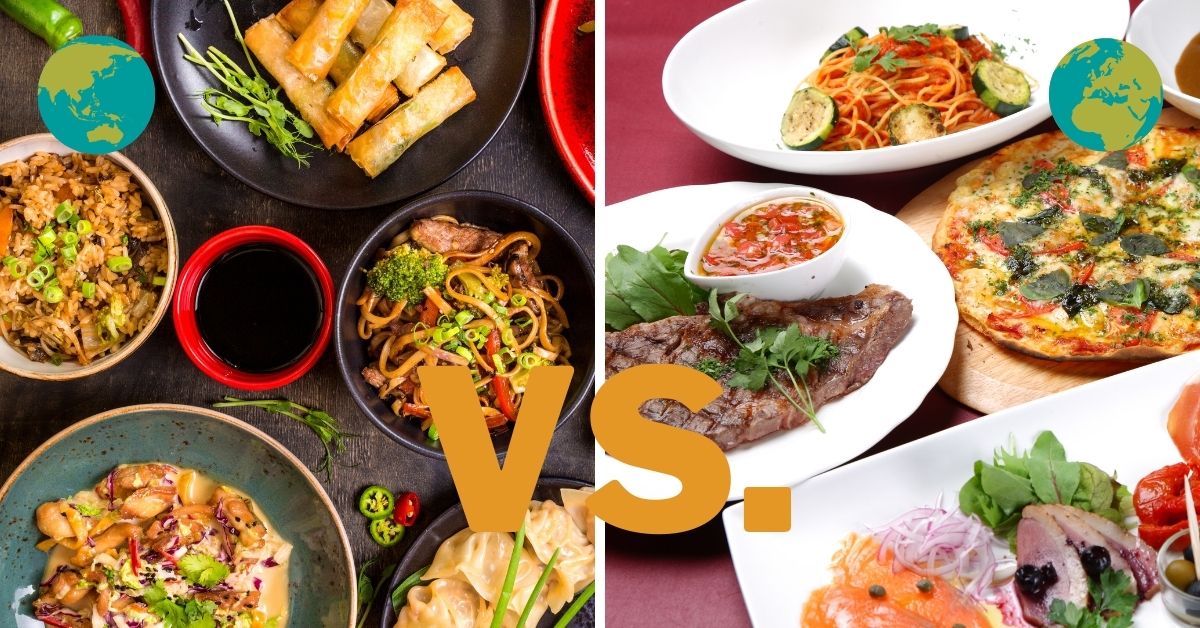
An Asian restaurant in Asia and one in Europe can serve dishes with the same name, yet the experience may feel different. The reason is not simply that one is “more authentic.” Restaurants adjust to local ingredients, customers, dining habits, price expectations, and what people consider a complete meal. Those differences influence seasoning, portion size, service, and menu design.
Local Customers Shape the Food
The biggest difference is usually the customer base. In Asia, an Indian, Thai, Japanese, Korean, or Chinese restaurant may serve people who already know the cuisine well. Customers understand how a dish should taste and whether something feels altered.
In Europe, the audience may include diners less familiar with the original cuisine. Restaurants therefore sometimes make dishes easier to approach. Heat may be reduced, sweetness increased, bones removed, or unfamiliar textures used more carefully. This is not automatically bad cooking. It is often adaptation to the market.
Ingredients Change What Is Possible
Location also affects access to ingredients. A Thai restaurant in Bangkok can buy fresh herbs, local chilies, seafood, vegetables, and sauces already part of the domestic supply chain. An Indian restaurant in a major Asian city may have easier access to South Asian spices, paneer, particular rice varieties, and specialist suppliers.
Bangkok is a good example. At Finch Indian Restaurant in Sukhumvit, being in a city with strong Asian food supply networks makes it easier to work with the ingredients and spice profiles that Indian cooking depends on. That does not mean a restaurant in Europe cannot produce authentic Indian food. Many do, especially when they import key ingredients carefully, work with specialist suppliers, and keep traditional preparation methods. The difference is that maintaining that taste can require more sourcing effort and sometimes higher costs.
European restaurants can import many of the same ingredients, but cost and freshness may differ. Some are replaced with local alternatives without noticeably changing the finished dish much. Even when the recipe stays almost identical, a different chili, tomato, dairy product, or herb can change the final taste.
Spice Is More Than Heat
People often reduce the discussion to whether Asian food is spicier in Asia, but spice is more complicated than chili heat.
Many Asian cuisines build flavor through aromatics, fermented ingredients, toasted spices, acidity, sweetness, bitterness, and umami. Diners familiar with the cuisine may expect these contrasts to remain pronounced.
Restaurants serving a broader European audience sometimes soften these characteristics. A curry can become creamier, a sauce sweeter, or fermented flavors less assertive. The dish may still taste good, but its balance can move toward what local customers find comfortable.
Dining Habits Change the Menu
Asian dining is often more communal. Several dishes arrive for the table, rice is shared, and people taste different things throughout the meal. This affects restaurant menus. Portions, side dishes, serving plates, and ordering recommendations may be designed around sharing.
In many European markets, customers are more accustomed to starter, main course, and dessert structures, with one main dish belonging to each person. Asian restaurants there may adapt by creating individual portions, combination plates, or set menus.
Expectations Around Authenticity Are Different
In Asia, diners may compare a restaurant with food they grew up eating or regional versions they know personally. Small details can matter, including the rice, spice timing, or aroma of a sauce. European diners may judge authenticity more through recognizable dishes, presentation, atmosphere, or whether the restaurant feels different from mainstream local food. This gives restaurants more room to reinterpret dishes.
Price and Positioning Matter Too
A dish considered everyday food in its home country can become a premium experience overseas because imported ingredients, labor, rent, and specialist preparation increase costs. Restaurants may also spend more on design and presentation to justify the price.
Once a simple regional dish becomes a twenty-euro restaurant main, diners may expect refined plating, larger portions, and more attentive service.
That is why comparing Asian restaurants in Asia and Europe is about more than recipes. Geography changes the supply chain, audience, eating habits, pricing, and expectations surrounding the food. The cuisine travels, but the restaurant has to live in its local market.

