
 Courtney M. Wolf
It’s super easy to make authentic Japanese miso soup at home! As the daily elixir of the Japanese diet, homemade miso soup is not only delicious, it also brings many great health benefits. Learn how to make this nourishing soup at home with my comprehensive guide (video tutorial included).
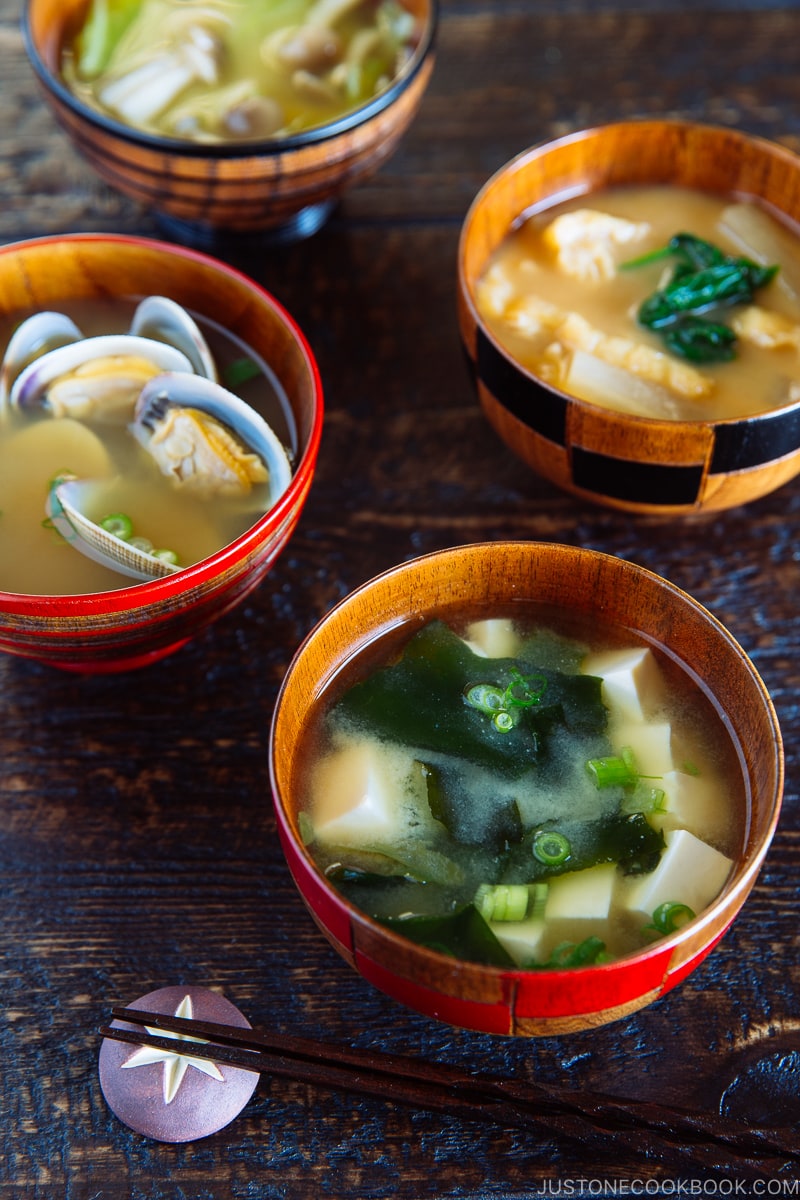
Miso soup is a staple in Japanese cuisine and the Soup for the Soul. We enjoy it almost every single day, for breakfast, lunch, or dinner. As a Japanese home cook, I would also say that miso soup is probably one of the easiest soups you can make at home.
There are many paths to making miso soup, but once you know the basics, you will be able to branch out and customize. The goal of this post is to arm you with all the important knowledge so you can make yourself a bowl of authentic miso soup at home any time of the day. And trust me, what you make will taste 10,000 times better than the restaurant or the instant one.
What is Miso Soup?
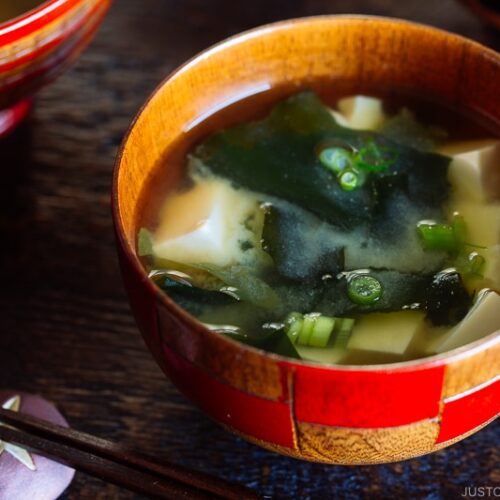
Most Japanese meals are served with a bowl of steamed rice and a traditional Japanese soup called miso Soup (味噌汁). At its most basic, miso soup is simply made of 3 components:
- Dashi (Japanese soup stock)
- Miso soup ingredients
- Miso (soybean paste)
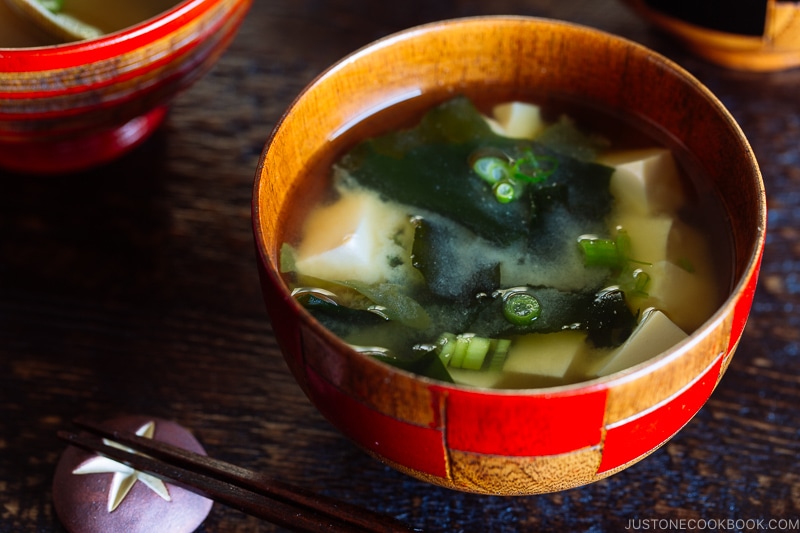
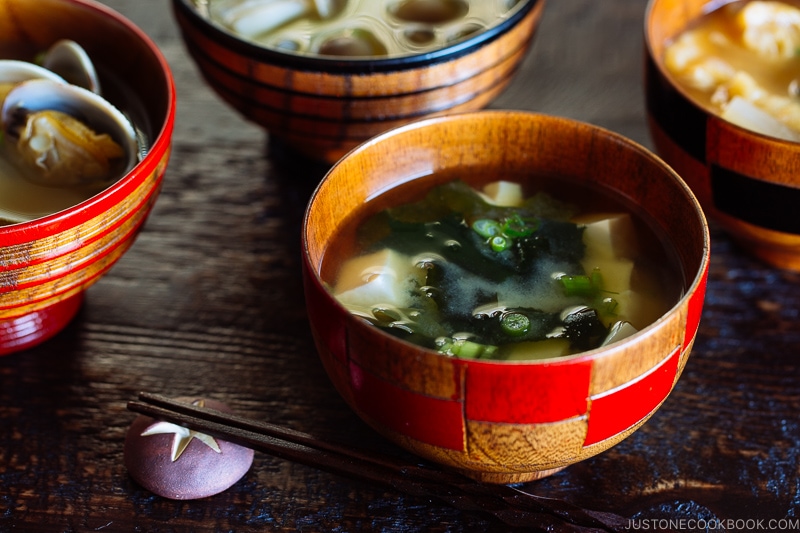
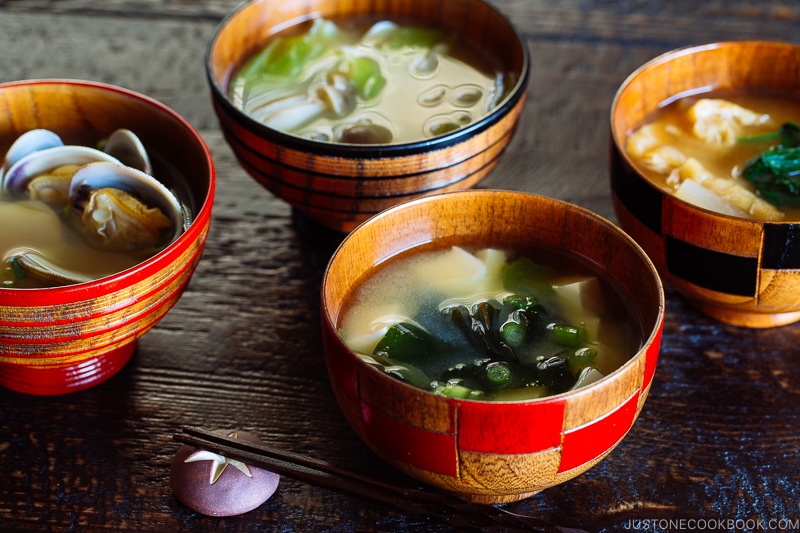
Depending on the region, season, and personal preference, you can find many varieties of miso soup enjoyed in Japan. In addition to the classic tofu and wakame combination, we also use different ingredients such as veggies and seafood to make the soup. That’s why we can never get bored with it.
We’ll go over how it all works together in detail below.
How to Make Miso Soup
Step 1: Make Dashi (Japanese Soup Stock)
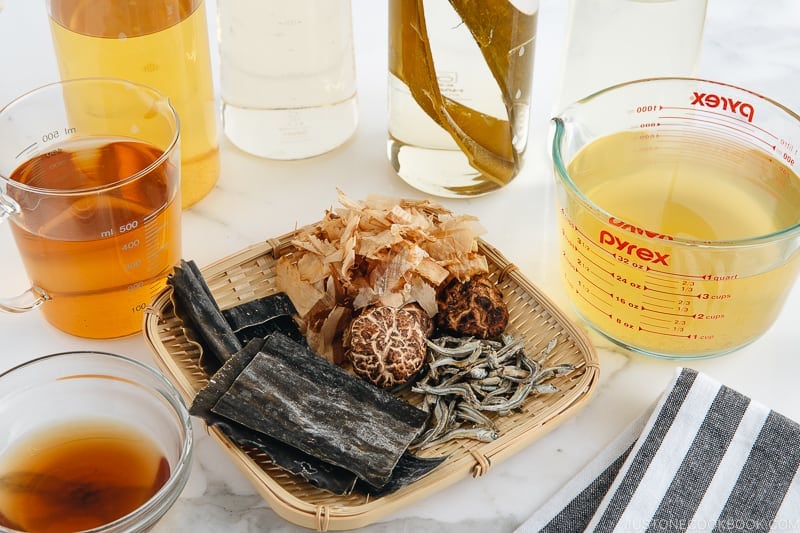
Dashi (だし・出汁) is Japanese stock and the base of many Japanese dishes. To make authentic Japanese miso soup, you will have to use dashi as the soup broth and not any other types of broth. Miso soup is not miso soup without dashi.
While you may not be familiar with dashi, it is actually the easiest and quickest broth one can make at home. There are a few methods to make dashi. Japanese home cooks commonly use Awase Dashi (made with kombu kelp + dried bonito flakes) and Iriko Dashi (made with anchovies) for their miso soup.
💡Pro Tip
If you’re vegetarian or vegan, you can use Kombu Dashi (made with kombu kelp).
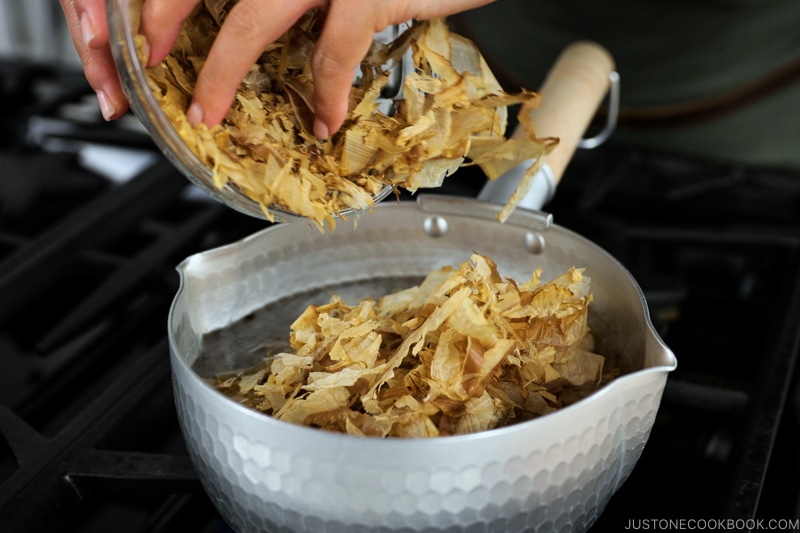
I make my homemade dashi because it is so much simpler and straightforward than making chicken or vegetable stock! You can find all the ingredients in Japanese and most Asian grocery stores or online. Click here for the video tutorial on how to make dashi from scratch.
I have a detailed post on How to Make Dashi (The Ultimate Guide). It’s worth reading if you are serious about making Japanese food at home.
Some recipes online use instant dashi powder/granules for miso soup. However, I don’t recommend this option as most dashi powder brands contain MSG and the flavor and fragrance do not last long.
💡Pro Tip
Japanese cooking requires dashi in many recipes. You can make a big batch of dashi and store it in the refrigerator for up to 3-5 days or in the freezer for 2 weeks and it’s always ready to go. Use dashi for different recipes throughout the week. With dashi on hand, you can make miso soup in under 10 minutes!
If you’re still reluctant to make dashi from scratch, try a dashi packet instead of dashi powder.
Step 2: Cook Miso Soup Ingredients
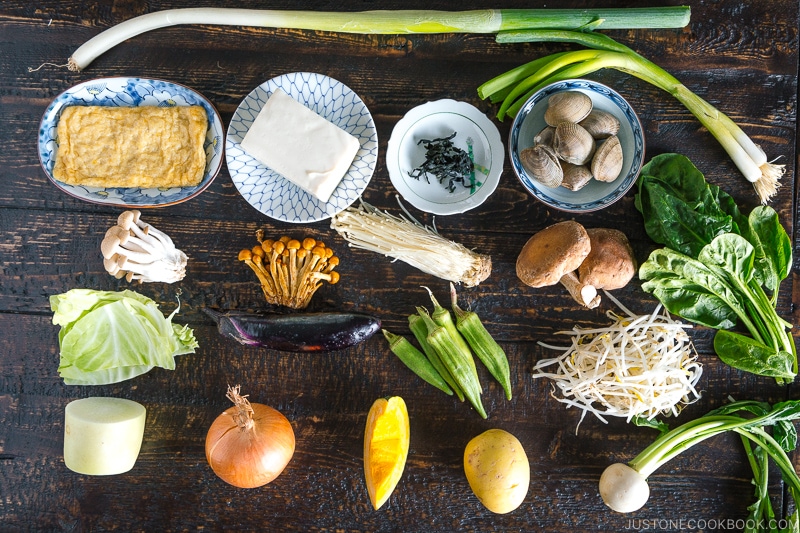
Many people are familiar with the silken tofu and wakame miso soup that is typically served at Japanese restaurants, but have you tried other variations of miso soup? In Japan, because we drink miso soup every day, we switch up the ingredients all the time.
When you cook ingredients, remember to start cooking dense vegetables (root vegetables) in cold dashi. Once they are tender, you can add leafy vegetables or soft ingredients such as tofu or mushrooms. They just need to be warm or tender, 1-2 minutes.
Here is the list of common miso soup ingredients.
Start cooking these ingredients when dashi is COLD
- Carrot
- Clams
- Daikon radish
- Kabocha squash/pumpkin
- Manila clams
- Onion
- Potato
- Turnip
Cook these ingredients when dashi is SIMMERING
- Aburaage (deep-fried tofu pouch)
- Bean sprouts
- Cabbage/napa cabbage
- Egg
- Eggplant
- Green onions/scallions
- Mushrooms (shiitake, enoki, maitake, nameko, shimeji, etc)
- Negi (long green onion/leeks)
- Okra
- Somen noodles
- Spinach
- Tofu (silken or medium-firm)
- Wakame seaweed
- Yuba (soybean curd)
Step 3: Add Miso (Soybean Paste)
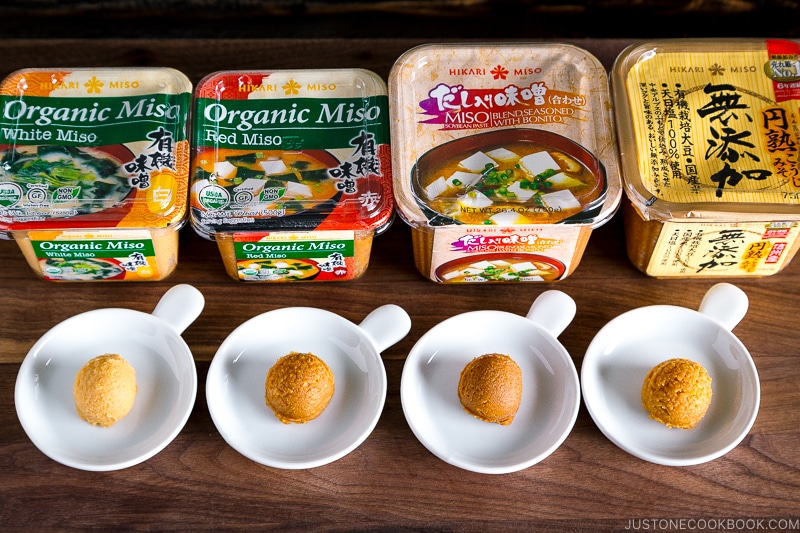
Miso (味噌), fermented soybean paste, is made from soybeans, grains (steamed rice or barley), salt, and koji culture (麹, a fermentation starter).
There are many different types of miso in the market. In the US, most miso available at the mainstream grocery stores goes by colors, such as white miso, yellow miso, and red miso.
Each miso paste and brand varies in saltiness and flavors, do adjust the amount according to taste. You can also mix 2-3 types of miso together for more complex flavors. Otherwise, if you have good quality miso, enjoy its unique characters.
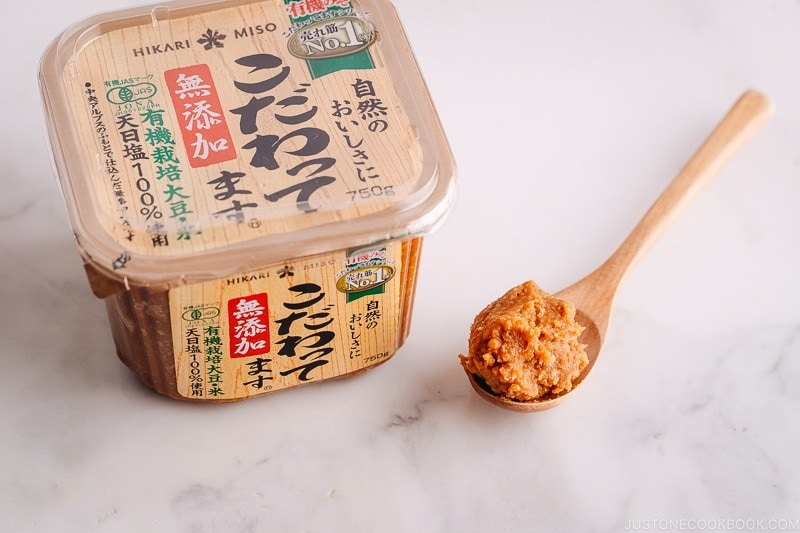
My favorite miso is this Kodawattemasu from Hikari Miso (slow-aged red koji miso) as the flavor is the most versatile. It has a more rounded character that goes well with any ingredients.
To learn more about miso on my blog, click here. If you are interested in making your own miso at home, read about it here.
💡Pro Tip
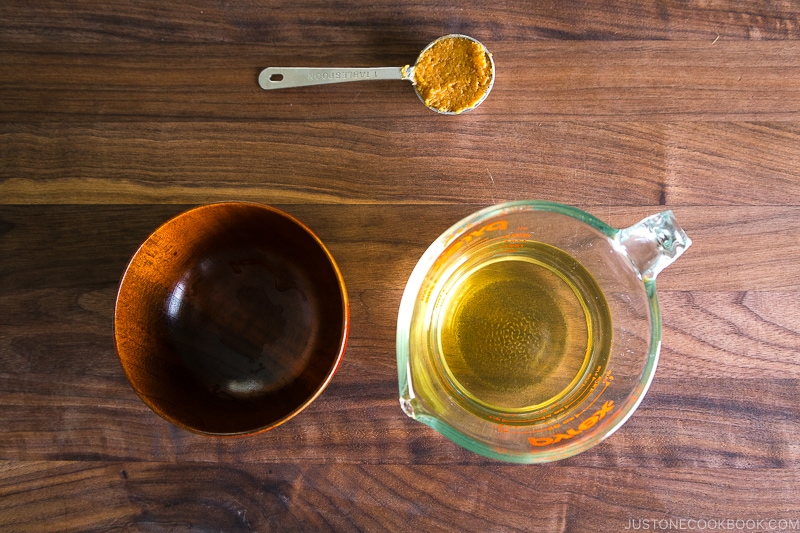
A typical Japanese miso soup bowl holds about 200 ml of liquid. As a general rule, we add 1 tablespoon (18 g) of miso per one miso soup bowl (200 ml dashi).
2 Most Important Tips to Remember
👉🏻 Add miso right before serving.
👉🏻 NEVER boil miso soup once miso is added because it loses flavors and aromas.
Health Benefits of Homemade Miso Soup
Japanese people drink miso soup daily as we believe this delicious, healing soup is a gateway to great health. Just like green tea, you can safely say miso soup is the elixir of the Japanese diet. Here are just some of the health benefits of miso soup:
1. Helps maintain a healthy digestive system
With its beneficial probiotics, drinking miso soup helps to improve your overall digestion and absorption of nutrients.
2. Good source of nutrients
Miso is rich in minerals as well as copper, manganese, protein, Vitamin K, and zinc. Therefore, drinking a bowl of miso soup a day is like taking a natural supplement for your health.
3. Good for bones
Miso soup provides many bone-building minerals like calcium, magnesium, and manganese, which helps to reduce the risk of developing osteoporosis.
4. Improve your heart
The natural chemical compounds in miso, such as Vitamin K2, linoleic acid and saponin, are known to reduce the risk of heart disease and lower cholesterol.
To enjoy the amazing health benefits of miso soup, you will want to make your own miso soup. The instant miso soup will not be as good since they tend to contain higher sodium and may include other preservatives. There are some good brands out there, so just be sure to read the label.
Now that you’ve learned how to make miso soup at home, I hope you enjoy this nourishing soup every day!
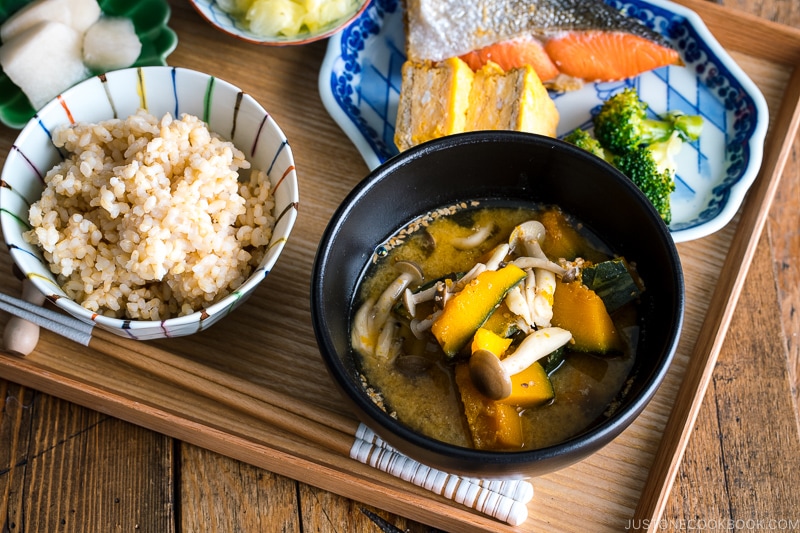
Other Variations of Miso Soup You May Enjoy:
Wish to learn more about Japanese cooking? Sign up for our free newsletter to receive cooking tips & recipe updates! And stay in touch with me on Facebook, Pinterest, YouTube, and Instagram.
Miso Soup
Ingredients
For the Dashi (makes a scant 4 cups)
For One (200-240 ml) Bowl of Miso Soup
Instructions
To Make the Dashi (Can be Made in Advance):
STEP 1 – Add the Dashi
-
Here, I demonstrate how to make 2 servings of miso soup. Add 2 cups (480 ml) dashi to a saucepan and set over medium heat. You can use the formula of 1 cup (200-240 ml) dashi + 1 Tbsp (18 g) miso = 1 serving of miso soup. If you add more ingredients/vegetables, the amount of soup will increase, and you will also need more miso.
-
Are you in a hurry and have no time to make dashi? You can use a dashi packet or dashi powder from the store to make instant dashi.
STEP 2 – Add the Dense Ingredients (BEFORE bringing the dashi to a boil)
-
If your miso soup doesn’t include hard ingredients or clams, go to the next step. Add the hard ingredients like root vegetables to the saucepan. Once boiling, lower the heat and simmer until they become tender. If you’re making Clam Miso Soup, add the clams to the cold brew kombu dashi, then bring it to a gentle boil. Once the shells are open, turn off the heat (do not overcook).
STEP 3- Add the Quick-Cooking Ingredients (AFTER the dashi is boiling)
-
If your miso soup doesn’t include these ingredients, bring the dashi to a boil and go to the next step. After the dashi starts boiling, add in the soft vegetables like leafy greens, mushrooms, and deep-fried tofu pouches because they require less cooking time. At this point, keep the soup at a simmer and make sure it stays warm (DO NOT OVERBOIL).
STEP 4 – Add the Miso
-
Add a small amount of miso at a time (you can start with 2 Tbsp miso for 2 cups dashi). Put the miso inside a ladle, slowly add the dashi into the ladle, and stir with chopsticks to dissolve the miso completely. You can buy a miso muddler or a fine-mesh miso strainer, which helps you dissolve the miso faster. If you accidentally add too much miso, dilute the miso soup with dashi (or water). NEVER OVERBOIL miso soup because it loses nutrients, flavor, and aroma.
STEP 5 – Add the Tofu
-
Add the tofu after the miso is completely dissolved; otherwise, you might break the tofu when stirring in the miso. If you add chilled tofu from the refrigerator, the miso soup will get cooler. Reheat the miso soup until it is just hot, but NOT BOILING.
STEP 6 – Add the Wakame and Green Onions
-
Add the rehydrated wakame (seaweed). I recommend rehydrating dried wakame in a separate bowl of water to get rid of the saltiness, instead of rehydrating it in the soup itself. Add the ingredients that do not require cooking such as the chopped green onions, mitsuba, yuzu, and blanched spinach right before serving to keep their fresh fragrance and color.
To Store:
-
In general, it’s best to consume all the miso soup right away because the aroma and taste will be lost as time passes. Let your miso soup cool to room temperature (up to 4 hours; any longer and it will spoil) and then refrigerate. Keep for up to 2 days in the refrigerator. If you want to make a big batch to store for later, it’s best to refrigerate the soup without adding the miso. When ready to use, add the miso only for the portion you need. You can freeze miso soup for up to 2 weeks. If the soup contains potatoes or tofu, remove them before freezing as the textures will change.
Nutrition
Calories: 40 kcal · Carbohydrates: 7 g · Protein: 2 g · Fat: 1 g · Saturated Fat: 1 g · Polyunsaturated Fat: 1 g · Monounsaturated Fat: 1 g · Sodium: 465 mg · Potassium: 90 mg · Fiber: 2 g · Sugar: 1 g · Vitamin A: 1196 IU · Vitamin C: 3 mg · Calcium: 49 mg · Iron: 1 mg
Editor’s Note: The post was originally published on Mar 3, 2011. The post has been updated with new images and a video on April 3, 2017. The post was republished with more contents on April 18, 2022.

